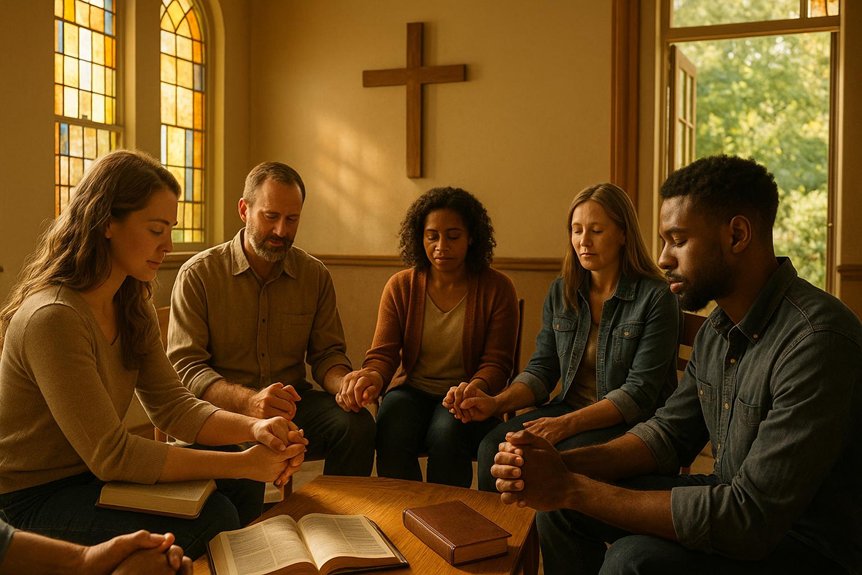
Christian Rehab for Drug Addiction
In a Christian rehab program, you'll find a unique blend of faith and healing that can transform your journey through addiction recovery. By focusing on spiritual growth alongside physical well-being, these programs offer a supportive community that understands your struggles. Imagine engaging in daily prayer, gaining strength from biblical principles, and finding purpose through worship. Curious about how this holistic approach can redefine your path to sobriety? Let's explore its potential impact on your life.
How Christian Rehab Programs Help Overcome Addiction
When you’re battling addiction, finding the right support can be life-changing. Christian rehab programs offer you a unique path by integrating faith into recovery. You’ll discover how faith integration provides a sense of purpose and strength, helping to heal both body and soul.
These programs focus on more than just the physical aspects of addiction; they nurture your spiritual growth too.
With spiritual mentorship, you’re not alone on this journey. Mentors guide you, offering wisdom and encouragement rooted in faith. This support helps you build resilience and find hope in moments of doubt.
Find faith-based treatment near you. Over 25,193 facilities. Call (866) 453-5835 or browse the directory.
faith-based-vs.-traditional-treatment:-whats-the-difference">Faith-Based vs. Traditional Treatment: What's the Difference?
While exploring treatment options, you might wonder how faith-based rehab differs from traditional programs. In faith-based rehab, there's a strong emphasis on faith integration, offering spiritual accountability through biblical principles.
You’ll find yourself involved in community outreach and engaged in mentorship programs that provide guidance and prayer support. Worship activities and discipleship training are central, allowing you to grow spiritually while tackling faith challenges.
Unlike traditional treatment, which often focuses solely on medical and psychological approaches, faith-based programs incorporate service opportunities, encouraging you to give back and find purpose.
This holistic approach supports not only your physical recovery but also your spiritual well-being. By blending these elements, faith-based rehab offers a unique path to healing and transformation.
The Role of Spiritual Healing in Recovery
In your journey to recovery, spiritual healing offers powerful faith-based coping strategies that can provide comfort and strength.
By connecting with a supportive community, you’ll find encouragement and shared understanding that foster growth.
Embracing these elements can help guide you toward a more fulfilling and resilient path.
Faith-Based Coping Strategies
Embracing faith-based coping strategies can offer a profound sense of hope and healing in the journey of recovery. By integrating faith reflections, you can find comfort and strength in understanding that you're not alone.
Reflecting on your faith allows you to connect deeply with your beliefs and draw strength from them.
Scriptural meditation is another powerful tool. It involves focusing on passages that resonate with your struggles and hopes. This practice can center your thoughts and provide clarity, helping you navigate challenges with a renewed perspective.
Incorporate prayer as a daily ritual to seek guidance and peace. Remember, it’s about building a personal relationship with your faith, allowing it to be a source of resilience and inner tranquility during your recovery process.
Building a Supportive Community
A supportive community acts as a cornerstone in the journey to recovery, offering strength and encouragement when you need it most.
Through community engagement, you find fellowship activities and support circles that become your haven. Mentorship programs provide guidance, while accountability partners keep you grounded.
Group worship sessions offer spiritual healing, nurturing your faith and resilience. Engaging in service projects not only helps others but also strengthens your own recovery, creating a sense of purpose and belonging.
Recovery retreats offer a space to reflect and grow, surrounded by those who understand your struggles. Embrace these opportunities wholeheartedly, as they’re essential in building a network of care and support that uplifts you on your path to healing.
Integrating Physical Wellness Into Christian Rehab
Incorporating physical wellness into your recovery journey can deeply enhance spiritual growth and overall healing.
By engaging in regular exercise, you not only improve your physical health but also find a stronger connection to your faith.
Embracing nutritious foods supports holistic healing, helping you feel more balanced and empowered in your path to sobriety.
Exercise and Spiritual Growth
While on your journey to recovery, integrating physical wellness into Christian rehab can profoundly enhance both your body and spirit.
Embrace mindful movement as you explore spiritual fitness through faith-centered exercise. Holistic workouts like prayerful stretching and community walks offer opportunities to connect with God and others.
Devotional yoga and active worship can deepen your spiritual connection, transforming exercise into an uplifting activity that nourishes your soul.
Strength training builds resilience, mirroring the strength you’re cultivating within. These practices support not just physical health but also spiritual growth, creating a balanced path toward healing.
You're not alone—your community is by your side, encouraging every step. Remember, each movement is a step closer to wholeness and renewal in your faith journey.
Nutrition and Holistic Healing
Though it may seem challenging, embracing nutrition as a core component of your recovery journey can lead to profound healing. By integrating nutrition strategies and holistic therapies, you’re supporting both body and spirit.
Nutritional education empowers you to make informed choices, fostering emotional balance and resilience. Mindfulness practices, combined with healthy cooking, create a foundation for lasting change.
Consider dietary supplements and natural remedies to enhance your wellness routines. They can play an essential role in restoring your body’s health.
Stress management techniques, like meditation and prayer, further promote healing. As you explore these avenues, remember that each step towards holistic healing strengthens your recovery. You’re not just nurturing your body, but also enriching your soul.
Core Components of Effective Christian Rehab Centers
An effective Christian rehab center combines spiritual guidance with evidence-based treatment, creating a holistic approach to recovery. You’ll find spiritual mentorship and faith integration at the core, helping you navigate faith challenges.
Through biblical counseling and scripture study, you gain insights into your struggles and find strength. Worship activities and prayer groups provide a nurturing environment for spiritual growth.
Community outreach and service opportunities encourage you to connect with others, fostering empathy and purpose. Discipleship programs guide you in developing a deeper relationship with your faith, offering a path to transformation.
These components work together, providing a supportive network that empowers you on your journey to healing, ensuring you’re never alone in your recovery process.
Discover How Scripture and Prayer Aid Sobriety
You’ll find that leaning on scripture offers profound guidance and reassurance during your journey to sobriety.
Prayer practices provide strength and peace, helping you stay grounded and connected to your faith.
Embracing these spiritual tools can transform your path to recovery, offering hope and resilience.
Power of Scriptural Guidance
While traversing the challenging journey to sobriety, the power of scriptural guidance can be transformative. You’ll find that engaging in scriptural reflections offers a profound sense of faith empowerment.
These ancient words provide wisdom and reassurance, helping you navigate the struggles of addiction with newfound clarity. When you immerse yourself in scripture, you’re not just reading; you’re connecting to a source of strength that’s greater than yourself.
This connection fosters a deeper understanding of your own resilience and potential for healing. You’ll discover passages that speak directly to your heart, encouraging you to persevere.
Strength Through Prayer Practices
Engaging in prayer practices can serve as a powerful companion on your path to sobriety. You’ll find strength in prayer journaling, where you can express your struggles and triumphs.
Meditation techniques and gratitude practices help you stay grounded, fostering a heart full of appreciation. Worship music can uplift your spirit, while Bible study offers guidance and wisdom.
Joining group prayers and prayer circles provides community support, reminding you that you’re not alone. Intercessory prayer allows you to seek help for others and yourself, reinforcing your faith.
Faith affirmations strengthen your resolve, and spiritual retreats offer a space for renewal. Embrace these practices, and you'll discover a deeper connection to your faith, aiding your journey to sobriety.
Building Community in Christian Rehab
In Christian rehab, building a strong community is essential for healing and growth.
You'll find that community engagement through fellowship activities and support groups offers a sense of belonging.
Mentorship programs provide guidance, while outreach initiatives let you serve others, fostering a deeper connection.
Sharing testimonies in safe spaces encourages openness and healing.
Collaboration events and accountability partnerships keep you on track, enhancing personal growth and mutual support.
Service opportunities allow you to give back, reinforcing the importance of community.
Prayer circles create a spiritual bond, grounding you in faith and collective strength.
Together, these elements weave a supportive network, helping you navigate the path to recovery with compassion and understanding.
You're never alone on this journey.
The Importance of Counseling and Therapy in Recovery
Counseling and therapy play an essential role in recovery, offering a structured environment for personal growth and healing.
You’ll find that these sessions help build emotional resilience and equip you with strategies to navigate challenges. Through cognitive behavioral techniques, you’ll gain insights into your thought patterns, empowering you to make positive changes.
Consider these benefits:
- Emotional Resilience: Therapy helps you manage emotions, reducing the risk of relapse.
- Cognitive Behavioral Techniques: You’ll learn to challenge harmful thoughts, fostering healthier habits.
- Supportive Environment: Engaging with a counselor provides a safe space for sharing and exploring personal struggles.
Success Stories From Christian Rehab
While starting the journey of recovery, hearing success stories from Christian rehab can be incredibly inspiring and motivating. You’ll find that these success testimonials reveal inspiring transformations and personal journeys that show the power of faith and community support. Many have overcome obstacles and achieved faith milestones through healing experiences and spiritual breakthroughs.
Here’s a glimpse into some powerful stories:
| Story | Emotion Evoked |
|---|---|
| John’s Journey | Hope and Renewal |
| Sarah’s Healing | Peace and Gratitude |
| Mark’s Breakthrough | Strength and Courage |
| Emily’s Transformation | Joy and Freedom |
| David’s Milestone | Faith and Resilience |
These stories remind you that with faith and determination, you're not alone, and a brighter path is possible.
Choosing the Best Christian Rehab Center for You
Finding the right Christian rehab center can be a transformative step on your path to recovery. It’s essential to choose one that aligns with your spiritual and personal needs. Here’s how to find the best fit:
Choosing a Christian rehab center that aligns with your spiritual needs is a transformative step to recovery.
- Spiritual Mentorship and Faith Integration: Look for centers offering spiritual mentorship, prayer circles, and scripture study, ensuring faith is a core part of recovery.
- Holistic Approaches and Group Activities: Seek programs incorporating holistic approaches and group activities that foster personal growth and community outreach.
- Recovery Testimonials and Faith Reflections: Read recovery testimonials to gauge success stories and explore how faith reflections are integrated into daily routines.
How to Afford Christian Rehab Programs
Finding a way to afford Christian rehab programs can feel overwhelming, but you're not alone in this journey.
Start by exploring financial aid options that many centers offer, which can ease the burden.
Additionally, reaching out to your community support networks can provide unexpected resources and encouragement.
Exploring Financial Aid Options
When considering Christian rehab programs, you might wonder how to manage the financial aspect effectively.
Fortunately, there are several avenues to explore:
- Scholarship Programs and Grant Opportunities: Many rehab centers offer scholarships or grants. Reach out to nonprofit organizations or explore sponsorship programs for support.
- Insurance Coverage and Payment Plans: Check if your insurance policy covers addiction treatment. If not, many facilities provide flexible payment plans tailored to your needs.
- Community Support and Fundraising Efforts: Engage in community donations or organize fundraising events. Some centers offer financial counseling to help you navigate these options.
Research government assistance programs as well.
Leveraging Community Support Networks
While exploring financial aid options, tapping into community support networks can be incredibly beneficial. Engage with your local faith community, where shared experiences foster a sense of belonging and healing.
Support groups offer a safe space to connect and grow, while mentorship programs provide guidance and encouragement. By participating in outreach initiatives and volunteer opportunities, you not only give back but also strengthen your recovery journey.
Family involvement is essential, creating a web of support that enhances accountability. Local partnerships with churches and organizations can offer resources or funding assistance.
How to Tackle Common Challenges in Faith-Based Recovery
Although faith-based recovery offers unique strengths, it also presents specific challenges that many individuals face. You might struggle with faith integration, encountering prayer obstacles or spiritual doubts. Here’s how to tackle these:
- Faith Struggles and Spiritual Doubts: Engage in community involvement where you can share experiences. This support helps ease doubts.
- Scripture Interpretation and Prayer Obstacles: Seek guidance from mentors or accountability partners. They can provide clarity and encouragement in your journey.
- Emotional Healing and Forgiveness Journey: Trust issues can arise, but focusing on scripture and building strong relationships aids in emotional healing.
Embrace the forgiveness journey with patience and understanding.
Staying Sober After Rehab: Letting Faith Guide You
Embracing faith as your guide after rehab can be a powerful tool in maintaining sobriety. Trust in your spiritual journey and lean on your beliefs to navigate this new chapter.
You’re not alone—consider finding spiritual accountability partners who can walk alongside you, offering encouragement and understanding. These relationships can provide much-needed support and keep you grounded.
Engage in faith-based mentorship to deepen your connection with your spirituality. A mentor can help reinforce your recovery goals and provide wisdom from their own experiences.
Resources and Support Networks for Long-Term Recovery
Accessing the right resources and support networks is essential for long-term recovery. You’ll find strength in support groups and recovery mentors who understand your journey.
Support groups and mentors are key for long-term recovery, offering understanding and strength for your journey.
Embrace faith resources and family involvement to create a robust foundation. Consider these steps:
- Join online communities and prayer circles: Connect with others who share your faith and struggles. These spaces offer encouragement and biblical counseling.
- Attend spiritual retreats and addiction workshops: These provide opportunities for reflection and growth, helping you stay committed to recovery.
- Engage in fellowship events and family involvement: Strengthen bonds and build a supportive environment with those who care about you.
Frequently Asked Questions
Are Christian Rehab Programs Suitable for Non-Christians?
Yes, they can be. You might find spiritual guidance in a Christian rehab program even if you’re not a believer.
Many programs focus on faith integration, offering a supportive environment where you can explore personal growth and healing.
While the approach is faith-based, the principles of compassion and recovery can still resonate.
It’s important to choose a program that respects your beliefs and personal journey.
How Do Christian Rehab Centers Address Medical Detox?
Christian rehab centers provide medical detox under careful medical supervision, guaranteeing your safety and comfort.
They integrate spiritual support alongside the detox process, addressing both physical and emotional needs.
You’ll find that they combine professional healthcare with compassionate guidance, helping you through withdrawal while nurturing your spirit.
Their holistic approach assures that you’re not just detoxing your body, but also finding strength and hope in your journey to recovery.
What Qualifications Do Staff at Christian Rehabs Have?
Staff at these centers often hold credentials in counseling, psychology, or social work.
They’ve undergone specific training to handle addiction and its challenges. You’ll find they’re not only skilled but also deeply compassionate, offering a supportive environment.
With a blend of professional expertise and personal empathy, they’re equipped to guide you through recovery, ensuring you feel understood and cared for every step of the way.
family-members-participate-in-the-rehab-process">Can Family Members Participate in the Rehab Process?
Absolutely, family members can participate in the rehab process. Your involvement is essential, as it strengthens the support system important for recovery.
Engaging in therapy sessions, workshops, or support groups helps you understand the challenges your loved one faces. By being actively involved, you’re not only offering emotional support but also learning ways to contribute positively to their journey.
Your presence makes the path to recovery more hopeful and connected.
How Long Do Christian Rehab Programs Typically Last?
Christian rehab programs typically last anywhere from 30 days to a year, varying based on your needs and recovery goals.
You'll find that program duration plays an essential role in treatment effectiveness. A longer stay often provides more extensive support, helping you build a strong foundation for lasting change.
Remember, it's about finding the right fit that supports your journey and fosters healing.
You're not alone on this path; support is always available.
Need help? Call (866) 453-5835 to find faith-based treatment. Confidential 24/7.