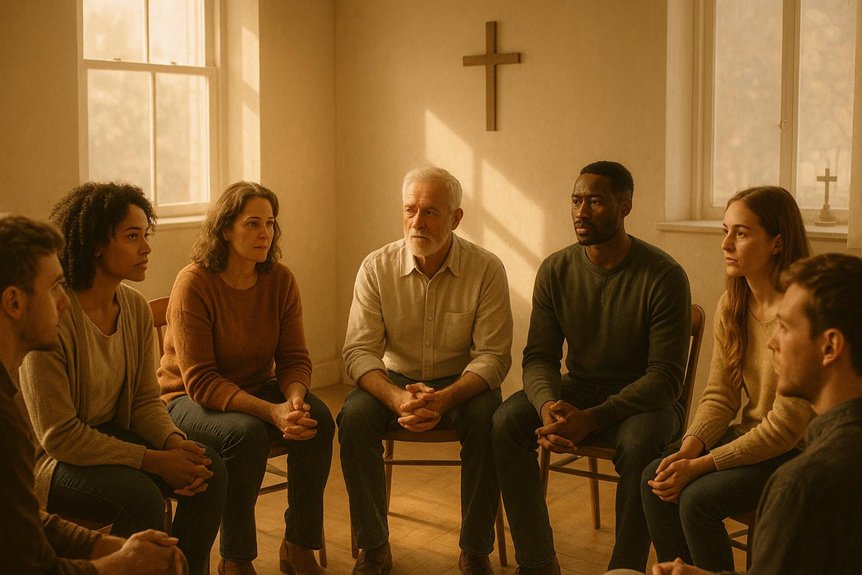
Christian Rehab for Alcohol Addiction
Imagine you're struggling with alcohol addiction and seeking a path that aligns with your faith. Christian rehab offers a compassionate blend of spiritual guidance and proven therapies. It’s about more than just sobriety; it's nurturing your entire being—mind, body, and spirit. You’ll find strength in community support, daily spiritual practices, and transformative stories of hope. Curious how faith can be your anchor in recovery? There's a journey waiting to unfold.
An Overview of Christian Rehab Programs
When you’re considering a path to recovery, Christian rehab programs offer a unique blend of faith-based support and evidence-based treatment. In these programs, you’ll find an environment where faith integration plays a vital role in healing.
By connecting with spiritual teachings, you can find strength in your beliefs while tackling the challenges of alcohol addiction.
Finding strength in faith can empower you to overcome the challenges of alcohol addiction.
As you progress, you’ll reach important recovery milestones, celebrating each step forward. These programs emphasize the importance of community, encouraging you to share experiences and grow together.
Find faith-based treatment near you. Over 25,193 facilities. Call (866) 453-5835 or browse the directory.
With a focus on both spiritual and personal growth, you’ll develop coping strategies rooted in faith, helping you rebuild your life with renewed purpose.
Embrace this journey, knowing you’re supported by a community that values your holistic well-being.
What Makes a Good Christian Rehab Center?
Choosing the right Christian rehab center is a significant step in your journey to recovery. You need a place where faith integration and personalized care support you holistically.
Look for centers that offer biblical teachings and mentorship programs to build emotional resilience and prevent relapse. Strong family involvement and community outreach can strengthen your support network, while service opportunities help you grow spiritually and socially.
Consider these essential elements:
- Faith Integration: Guarantees spiritual growth alongside recovery.
- Holistic Healing: Addresses mind, body, and spirit.
- Mentorship Programs: Provides guidance and accountability.
- Relapse Prevention: Focuses on sustainable recovery strategies.
- Family Involvement: Engages loved ones for additional support.
Finding a center that aligns with these values can transform your path to sobriety.
How Faith-Based Recovery Works
Although the journey to recovery can be challenging, faith-based recovery offers a unique approach that combines spiritual and practical elements to support healing.
You’ll find that faith and recovery go hand in hand, encouraging spiritual growth and personal transformation. Biblical principles provide a strong foundation for hope and renewal, while addiction testimonies offer proof of grace and healing.
As you begin your faith journey, you’ll experience divine intervention and moral support from a compassionate community. This path emphasizes not just breaking free from addiction but also embracing a renewed life.
Spirituality's Role in Healing
In your journey toward healing, embracing spirituality can be a powerful foundation.
Through prayer and meditation, you can find peace and clarity, while community support and fellowship offer encouragement and connection.
Together, these elements nurture your spirit and strengthen your path to recovery.
Faith as a Foundation
Hope often serves as a guiding light in the journey to recovery, and faith can be a powerful cornerstone in healing from alcohol addiction. Embracing faith resilience helps you navigate challenges with strength and grace.
Through hope restoration and divine guidance, you find a path illuminated by spiritual accountability and grace empowerment. Integrating biblical principles into your life fosters trust building, giving you a solid foundation.
Consider these elements to deepen your journey:
- Faith resilience: Cultivate inner strength to withstand life's storms.
- Divine guidance: Seek direction through spiritual teachings.
- Grace empowerment: Embrace forgiveness and renewal.
- Worship engagement: Connect through community and shared belief.
- Spiritual accountability: Hold yourself to higher standards through faith.
With these, faith integration becomes a transformative force.
Prayer and Meditation Practices
When you embrace prayer and meditation, you tap into powerful tools that nurture your healing journey. Meditative breathing helps center your thoughts, bringing calm and clarity.
Through prayer journaling, you express emotions and seek guidance, creating a personal dialogue with God. Engaging in scripture memorization strengthens your resolve, offering divine wisdom during challenging times.
Mindfulness practices keep you present, fostering awareness and acceptance. Gratitude exercises shift focus from struggles to blessings, cultivating a positive mindset.
Devotional readings provide inspiration, grounding you in faith. Worship music uplifts your spirit, connecting you with the divine through melody.
Reflection times allow you to pause and consider your progress, reinforcing your commitment to recovery. Embrace these practices, and find strength in spirituality.
Community Support and Fellowship
Although the journey to recovery can feel isolating, community support and fellowship offer essential connections that empower you.
Engaging in community gatherings and fellowship activities creates a nurturing environment. Support networks form through group prayers and mentorship programs, providing guidance and shared experiences.
Church involvement and family support strengthen your foundation, while volunteer opportunities and outreach initiatives allow you to give back, reinforcing your healing process.
- Community Gatherings: Connect with others on the same journey.
- Fellowship Activities: Build meaningful relationships through shared interests.
- Shared Testimonies: Find strength and inspiration in others' stories.
- Mentorship Programs: Gain guidance from those who’ve walked your path.
- Outreach Initiatives: Engage in acts of service to foster growth.
These connections bring hope, encouragement, and renewal.
Traditional Therapies in Christian Rehab
By integrating scripture and prayer, these methods provide comfort and guidance as you navigate the challenges of recovery.
You’ll find that this combination not only strengthens your faith but also empowers your journey toward healing.
Faith-Based Counseling Approaches
- Faith Integration: Connect your spiritual beliefs with recovery.
- Biblical Counseling: Use scripture to guide healing.
- Spiritual Mentorship: Gain wisdom from experienced mentors.
- Community Outreach: Build supportive relationships.
- Healing Retreats: Find peace and renewal.
Scripture and Prayer Integration
When you're on the path to recovery, integrating scripture and prayer can be a powerful way to deepen your healing journey. Scripture meditation helps ground your thoughts, while prayer journaling captures your faith reflections.
Engaging in biblical affirmations can reinforce your belief in the possibility of change. Attending spiritual retreats provides a focused environment for worship practices and devotion time, allowing you to connect deeply with your faith.
Scriptural memorization strengthens your spiritual foundation, equipping you with words of comfort and guidance. Embracing intercessory prayer not only supports you but also builds a community of faith.
Faith exercises, like devotion time and group worship, offer consistent reminders of hope and renewal. Through these practices, you’ll find strength in your recovery.
The Importance of Prayer in Recovery
While traversing the challenges of recovery, you might find that prayer becomes a powerful cornerstone in your journey. Embracing prayerful reflection can offer you strength and clarity.
Engaging in group prayers and prayer circles fosters a supportive community. Personal petitions and intercessory prayer open pathways to healing and connection. Spiritual mentors guide you, helping deepen your understanding.
Consider incorporating these practices:
- Prayer journaling to express your thoughts and emotions.
- Daily devotions to establish a routine of spiritual connection.
- Gratitude practices that shift focus from struggles to blessings.
- Prayer retreats for immersive spiritual growth.
- Interacting with spiritual mentors for guidance and support.
These elements together nurture your spirit, providing solace and strength as you move forward in recovery.
Incorporating Prayer Into Daily Life
Integrating prayer into your daily life can profoundly enhance your recovery journey. Begin each day with daily affirmations and a gratitude practice to set a positive tone.
Begin each day with affirmations and gratitude to set a positive tone for recovery.
Use prayer journals to document your thoughts and progress, allowing scripture reflection to guide you. Incorporate meditation techniques and mindfulness exercises to focus and calm your mind.
Devotional readings and worship music can create a serene atmosphere, helping you feel connected to your faith. Faith rituals, like lighting a candle during prayer, can provide comfort and routine.
Don’t forget intercessory prayer, where you pray for others, fostering a sense of community and support.
Scripture Study in Your Treatment Plan
Though recovery can be challenging, incorporating scripture study into your treatment plan offers profound support and guidance. Engaging with the Bible helps you connect with God’s word and find strength in His promises.
By using scripture memorization techniques, you’ll carry these truths with you daily, helping to combat temptation and foster resilience. Biblical journaling practices allow you to reflect on personal insights and spiritual growth, creating a meaningful dialogue with God.
Consider these benefits:
- Find Comfort: Scripture offers peace and reassurance during difficult times.
- Gain Wisdom: Discover insights that guide your decisions and actions.
- Strengthen Faith: Reinforce your beliefs and trust in God’s plan.
- Build Discipline: Regular study encourages a focused and purposeful life.
- Enhance Reflection: Journaling deepens your spiritual understanding and personal connection.
The Power of Communal Worship
Engaging with scripture provides a foundation of strength and insight, and adding communal worship to your recovery journey can amplify this experience.
Through communal singing and group prayer, you’ll find new layers of connection and healing. Worship services offer moments of reflection, while fellowship activities create bonds that are essential for support.
Spiritual retreats provide a space for renewal, and music therapy can soothe and inspire. Sharing testimonies within support groups fosters collective healing, reminding you that you’re not alone.
Embrace the warmth of communal meals, which nourish both body and spirit. These shared experiences weave a tapestry of faith and hope, empowering you to move forward with courage and resilience.
Together, you’ll find the strength to heal.
How to Find Support in a Christian Community
Finding support in a Christian community can be an essential part of your recovery journey. You’re not alone, and there are many ways to connect with others who share your faith and understand your struggles.
Local churches often provide welcoming support networks through faith groups or mentorship programs. Engaging with online communities can also offer encouragement and resources.
Consider joining volunteer opportunities or outreach ministries that align with your values, creating meaningful connections. Participating in recovery events or spiritual retreats can deepen your faith and provide healing experiences.
Having prayer partners can offer you strength and accountability.
- Local churches: Connect with support networks.
- Online communities: Find encouragement and resources.
- Volunteer opportunities: Build meaningful connections.
- Recovery events: Experience healing and growth.
- Prayer partners: Gain strength and accountability.
Addressing the Physical Side of Addiction
Facing the physical side of addiction requires a thorough approach, and you’re not alone in this journey.
With medical support during detoxification, nutritional strategies to rebuild your body, and exercise to enhance physical wellness, you can regain control over your health.
Trust that these steps are essential for healing and are part of a supportive path to recovery.
Detoxification and Medical Support
When starting the journey to overcome alcohol addiction, detoxification is an essential first step that addresses the physical dependency on alcohol.
You'll find that detox methods involve more than just medical supervision—they’re about creating a supportive environment for withdrawal management.
Holistic detox approaches incorporate your faith, providing spiritual assessments alongside personalized care.
Empathy and understanding are key as you navigate this path.
Here’s what to expect:
- Medical supervision guarantees your safety and comfort during withdrawal.
- Faith integration helps strengthen your spiritual connection.
- Support networks offer encouragement and guidance.
- Recovery milestones celebrate each step toward healing.
- Emotional healing is nurtured through compassionate care.
Nutritional Rehabilitation Strategies
As you move forward from detoxification, focusing on nutritional rehabilitation becomes an essential part of healing. Embracing holistic nutrition can help restore your body’s balance.
Nutrient timing is fundamental, allowing your body to absorb essential nutrients effectively. Through dietary counseling, you'll learn about meal planning and creating balanced meals that support recovery.
Vitamin supplementation might be necessary to replenish deficiencies caused by alcohol use.
Practice mindful eating to develop a healthy relationship with food, reducing emotional eating triggers. Keeping a food journal can provide insights into your eating habits and progress.
Nutritional education empowers you to make informed choices, fostering long-term wellness. Remember, nourishing your body is a significant step towards reclaiming your health and vitality.
Exercise and Physical Wellness
Engage in physical activity to boost your recovery journey, as exercise plays an essential role in overcoming addiction.
By incorporating regular exercise, you enhance your physical health and experience numerous exercise benefits that support healing. You might find that physical wellness not only strengthens your body but also uplifts your spirit.
Consider these exercise benefits:
- Stress Reduction: Exercise helps release tension, promoting relaxation.
- Improved Mood: Physical activity boosts endorphins, enhancing your overall mood.
- Better Sleep: Regular exercise can improve sleep quality, vital for recovery.
- Increased Energy: Boosts stamina, helping you feel more vibrant throughout the day.
- Enhanced Focus: Physical wellness sharpens your mind, aiding concentration.
Techniques for Overcoming Psychological Barriers
Overcoming psychological barriers in alcohol addiction can be challenging, yet it's a significant step toward healing.
Start with cognitive restructuring to change negative thought patterns. Build emotional resilience through motivational interviewing, helping you understand your motivations and triggers. Engage in behavioral activation to replace harmful habits with positive actions.
Begin with cognitive restructuring, build emotional resilience, and engage in behavioral activation to foster positive change.
Trauma-informed care guarantees you feel safe and understood, addressing past experiences with empathy.
Incorporate mindfulness techniques to stay present, and practice self-compassion to overcome guilt. Visualization exercises can help you envision success, fostering motivation.
Building self-esteem is essential; recognize your worth and progress. Develop effective coping strategies and stress management skills to handle life's challenges.
With dedication, these tools empower you to break free and embrace recovery.
Finding Purpose Through Faith
- Purpose Driven Living: Align your actions with a higher calling.
- Faith Infused Identity: Let your beliefs shape who you are.
- Spiritual Growth: Nurture your connection with the divine.
- Overcoming Doubt: Face uncertainties with courage and conviction.
- Serving Others: Find fulfillment in helping those around you.
This journey’s about discovering your true self and living intentionally.
Christian Rehab Success Stories
While starting on the path to recovery, you'll find that real-life stories of transformation can be incredibly inspiring.
In Christian rehab, faith declarations reveal the power of divine intervention in recovery journeys. Through personal experiences, individuals share how spiritual breakthroughs bring lasting change.
Support groups provide a safe space where hope narratives flourish, encouraging others with transformation stories. You’ll hear about moments when faith seemed to guide every step, shining light in the darkest times.
These accounts remind you that you’re not alone, and that recovery is possible. Embracing these stories can strengthen your resolve and deepen your faith, offering a powerful reminder that healing is within reach.
They’re not just stories—they’re a testament to the power of belief.
Frequently Asked Questions
Are Family Members Allowed to Visit During the Rehab Program?
Yes, family members are usually allowed to visit during the rehab program.
You'll find that family visitation can play an essential role in recovery, offering emotional support and strengthening support networks.
It's important to check specific guidelines, as visitation policies can vary.
Family involvement often encourages healing and provides motivation, helping you feel connected and supported throughout your journey.
Embrace their presence as a valuable part of your recovery process.
What Types of Aftercare Programs Are Available Post-Rehab?
After rehab, you’ve got various aftercare programs to help maintain sobriety.
Engage in aftercare support like counseling or support groups to stay connected and motivated.
Sober living environments offer a structured, supportive place as you shift back into daily life.
These programs are designed to reinforce what you’ve learned, providing a safety net as you continue your journey.
How Long Does a Typical Christian Rehab Program Last?
A typical program lasts about 30 to 90 days, but duration factors like personal needs and progress can influence this.
You’ll find program flexibility to guarantee it suits your journey.
It's essential to embrace the time needed for healing, and remember, there’s support every step of the way.
You’re not alone, and adapting the program to fit you can make all the difference in lasting recovery.
Is Professional Counseling Included Alongside Spiritual Guidance?
Yes, you’ll find professional counseling included alongside spiritual guidance.
These programs blend spiritual integration with effective counseling techniques to support your recovery journey. Counselors work with you to address emotional and psychological aspects while spiritual leaders help nurture your faith.
This holistic approach guarantees you’re supported in all areas, creating a balanced path to healing and growth. You’re not alone on this journey; help and guidance are available.
Can Participants of Other Faiths Join a Christian Rehab Program?
Yes, you can join a Christian rehab program even if you follow another faith.
These programs often emphasize interfaith support and spiritual inclusivity, welcoming participants from diverse backgrounds.
They focus on healing and recovery, providing a supportive environment where everyone's beliefs are respected.
You'll find that the combination of spiritual guidance and professional counseling aims to nurture your personal journey, regardless of your religious affiliation.
Need help? Call (866) 453-5835 to find faith-based treatment. Confidential 24/7.